When people think about animal rescue, they often picture wagging tails, happy endings, and heartwarming reunions. Those moments do happen, and they remind us why we continue.
But they are only part of the story.
Behind every rescue is someone who has just witnessed an animal abandoned, neglected, injured, or left to suffer. Someone who has carried a frightened dog from the side of the road. Someone who has held a dying kitten in their arms because there was no one else. Someone who has knocked on doors hoping to find an owner, only to discover that nobody wanted the animal in the first place.
Rescuers see humanity at its very best. They also see it at its very worst.
Every week, we witness the consequences of irresponsible ownership. Pets dumped because they became inconvenient. Animals left behind when families move away. Dogs chained for years without companionship. Cats producing litter after litter because nobody bothered to sterilise them. Animals hit by vehicles because they were allowed to roam. Beloved companions without microchips, leaving families with no answers when tragedy strikes.
These are not natural disasters. They are human choices. Every call we receive is another reminder that an innocent animal is paying the price for someone else’s decision. What many people do not realise is that rescuers do not simply move on to the next case. Every rescue leaves a mark. The images stay with us. The cries echo in our minds. The smell of neglect, the fear in an animal’s eyes, and the silence after a life has slipped away are things that cannot simply be forgotten when the day ends.
Then the phone rings again. And again. And again.
There are no weekends from suffering. There are no public holidays from neglect. Animals do not stop needing help because rescuers are tired. Many rescuers work full time jobs before or after rescue calls. They spend their own money on fuel, food, veterinary care, blankets, and medication. They miss family events, lose sleep, skip meals, and carry emotional burdens that most people never see.
Yet they continue. Not because it is easy. Because the animals have no one else. Kindness toward rescuers costs nothing, yet it means everything. A patient word instead of criticism. An offer to help instead of assuming someone else will. Understanding when a volunteer cannot answer immediately because they are in the middle of an emergency. A donation, no matter how small. A bag of pet food. Sharing an appeal. Fostering an animal.
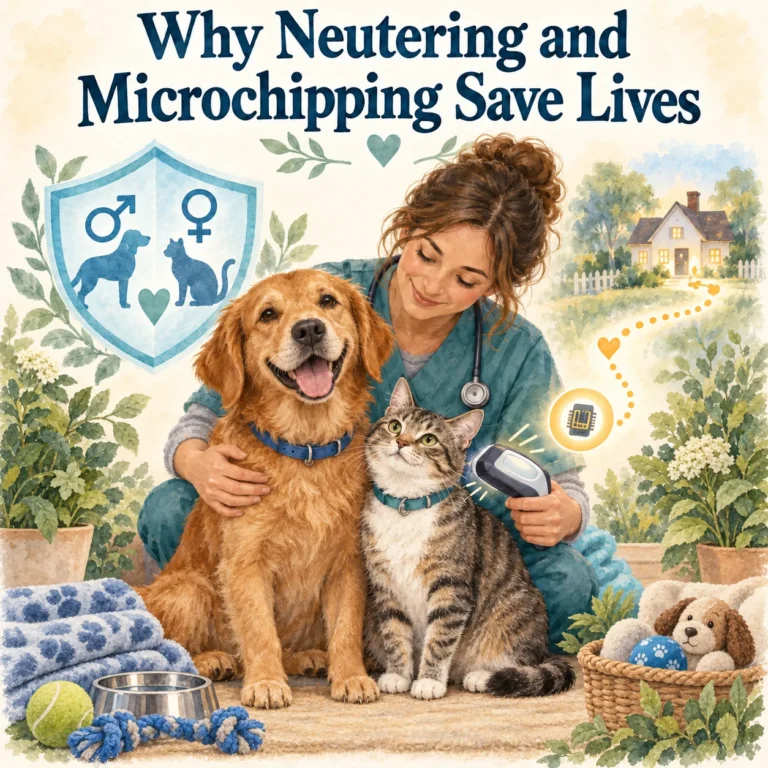
Choosing to sterilise and microchip your own pets. Every act of responsibility reduces the suffering we are called to face. Animal rescue is not only about saving animals. It is about carrying the weight of humanity’s failures while refusing to lose hope in humanity altogether. We do not ask for praise. We simply ask for compassion. Remember that behind every rescue organisation are ordinary people with tired bodies, full-time responsibilities, broken hearts, and an unwavering commitment to animals that cannot speak for themselves. The next time you see a rescue volunteer, remember that they may have just experienced one of the hardest moments of their week. Choose kindness. It may be exactly what keeps them going long enough to save the next life.